
Is Minneapolis tap water safe to drink?
Yes but with caveats
Minneapolis's water meets EPA minimum standards but has some concerns. Filtration is recommended for sensitive individuals.
3 Issues Detected in Minneapolis
Moderately Hard Water (8.5 GPG)
Hardness above 7 GPG can cause minor scale buildup.
Hardness data for MinneapolisModerate Chlorine Level
Chlorine within EPA limits but may affect taste.
Chlorine info for Minneapolis554,015,540,255,403 · Mississippi River
Minneapolis Drinking Water Quality Report
Mineral content in Minneapolis's water supply rates as moderately hard. This guide covers what that means for your home and which filters or softeners address it best.
Water Quality Data
Contaminant Levels
Health Insights
- 1At 8.5 GPG, Minneapolis's water qualifies as moderately hard. This can cause limescale in pipes and shorten appliance lifespan.
- 2Chlorine levels may affect the taste of Minneapolis's tap water. A carbon filter improves flavor.
Score
Minneapolis tap water is sourced from Mississippi River and treated by Minneapolis Water Works. Water hardness is hard at 8.5 GPG which may cause scale buildup. Overall purity score: 79/100 (Good). Updated for 2026.
MATCHED TO MINNEAPOLIS'S WATER DATA
Best Water Filters for Minneapolis, MN (2026)
Matched to Hard Water (8.5 GPG), Moderate Chlorine in Minneapolis.
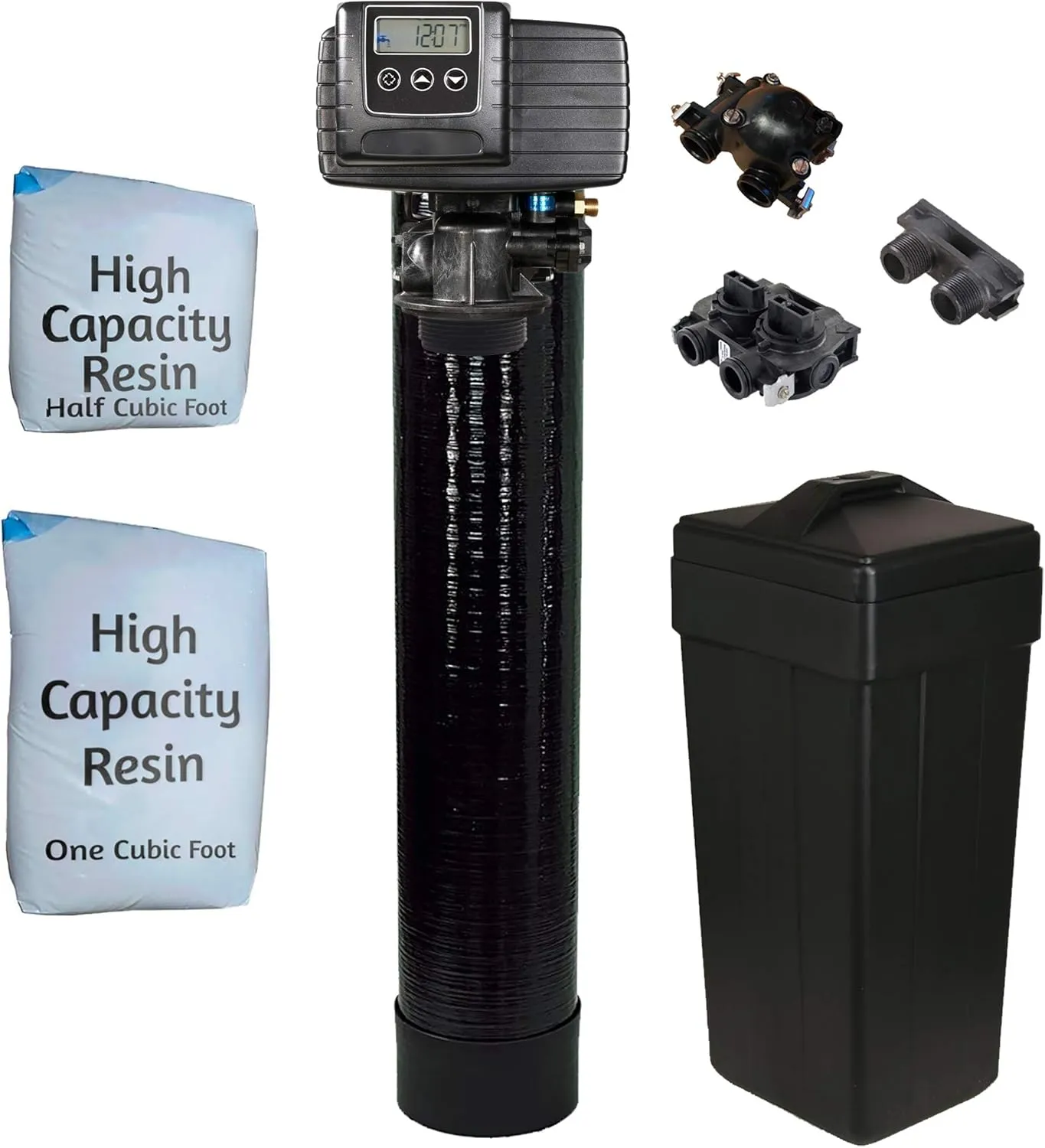
AFWFilters 5600sxt 48000 Grain Softener
Salt-Based Water Softener
$650-750
Why this fits Minneapolis
- Handles Minneapolis's hard water (Hard Water (8.5 GPG))
- Premium quality at $650-750
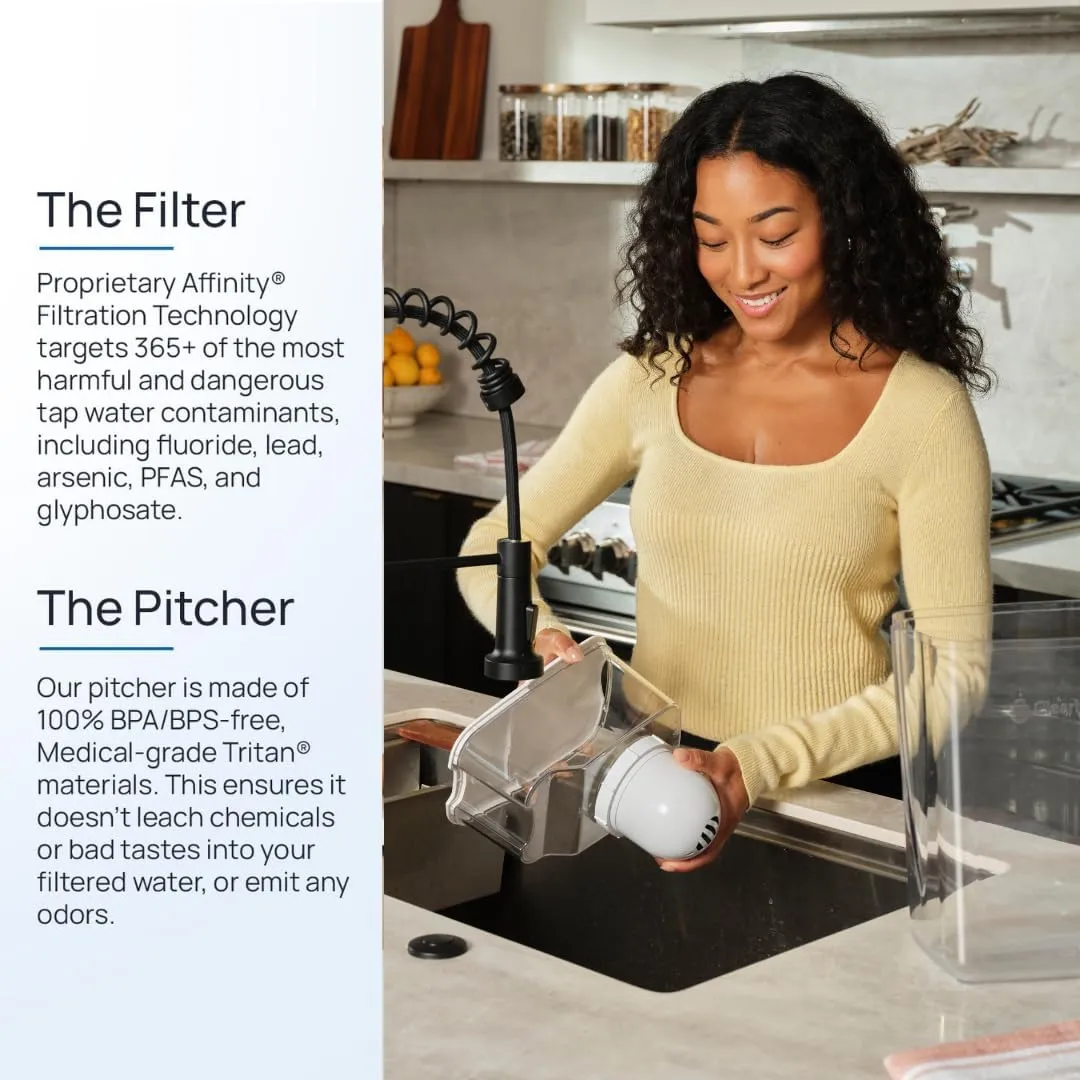
Clearly Filtered Water Pitcher
Pitcher Filter
$80-95
Why this fits Minneapolis
- Eliminates chlorine taste and odor from Minneapolis's water
- NSF/ANSI 42 + NSF/ANSI 53 + NSF/ANSI 401 certified
- Budget-friendly at $80-95
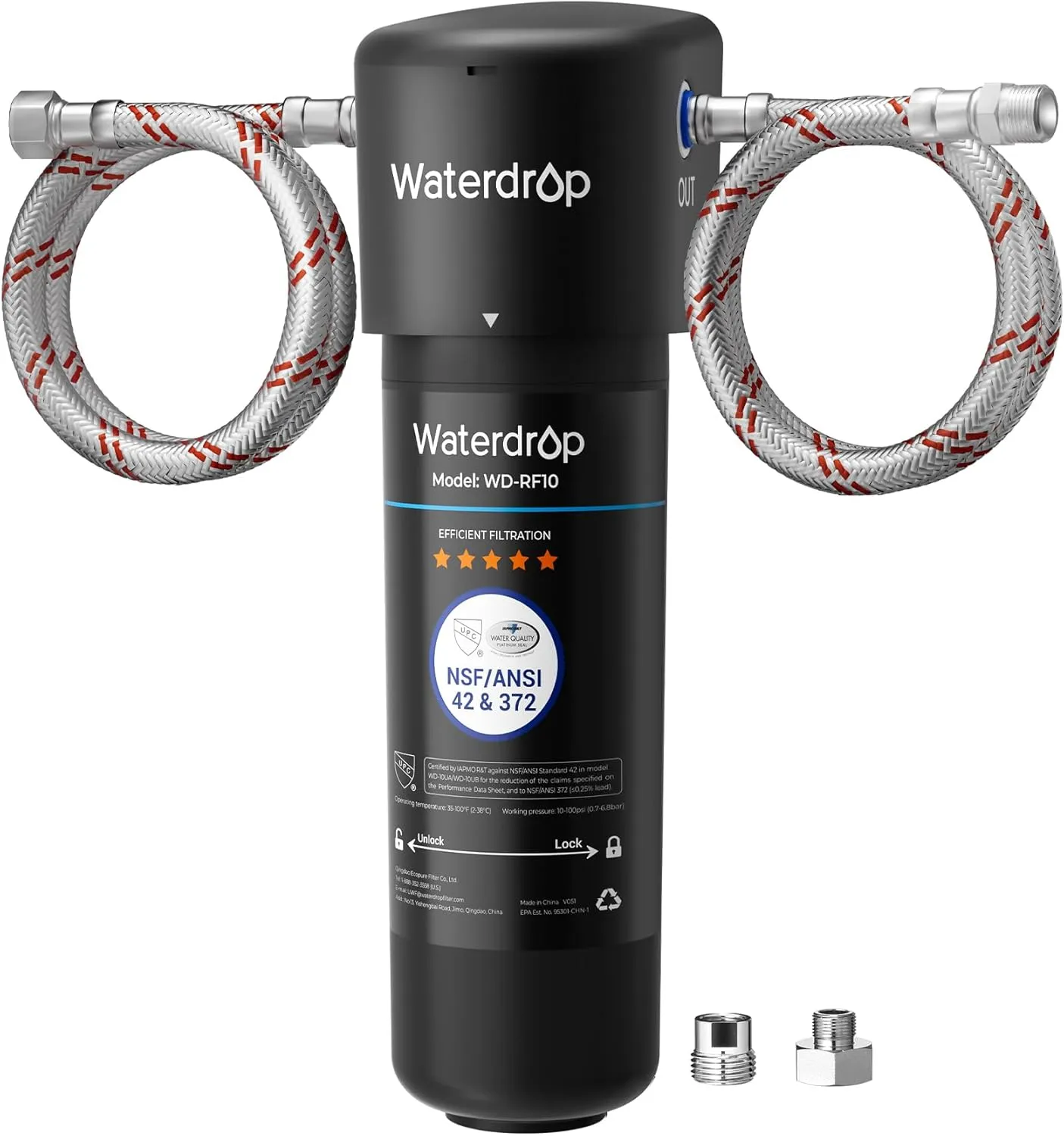
Waterdrop 10UA Under-Sink Filter
Under-Sink Carbon Filter
$40-60
Why this fits Minneapolis
- Eliminates chlorine taste and odor from Minneapolis's water
- NSF/ANSI 42 certified
- Budget-friendly at $40-60
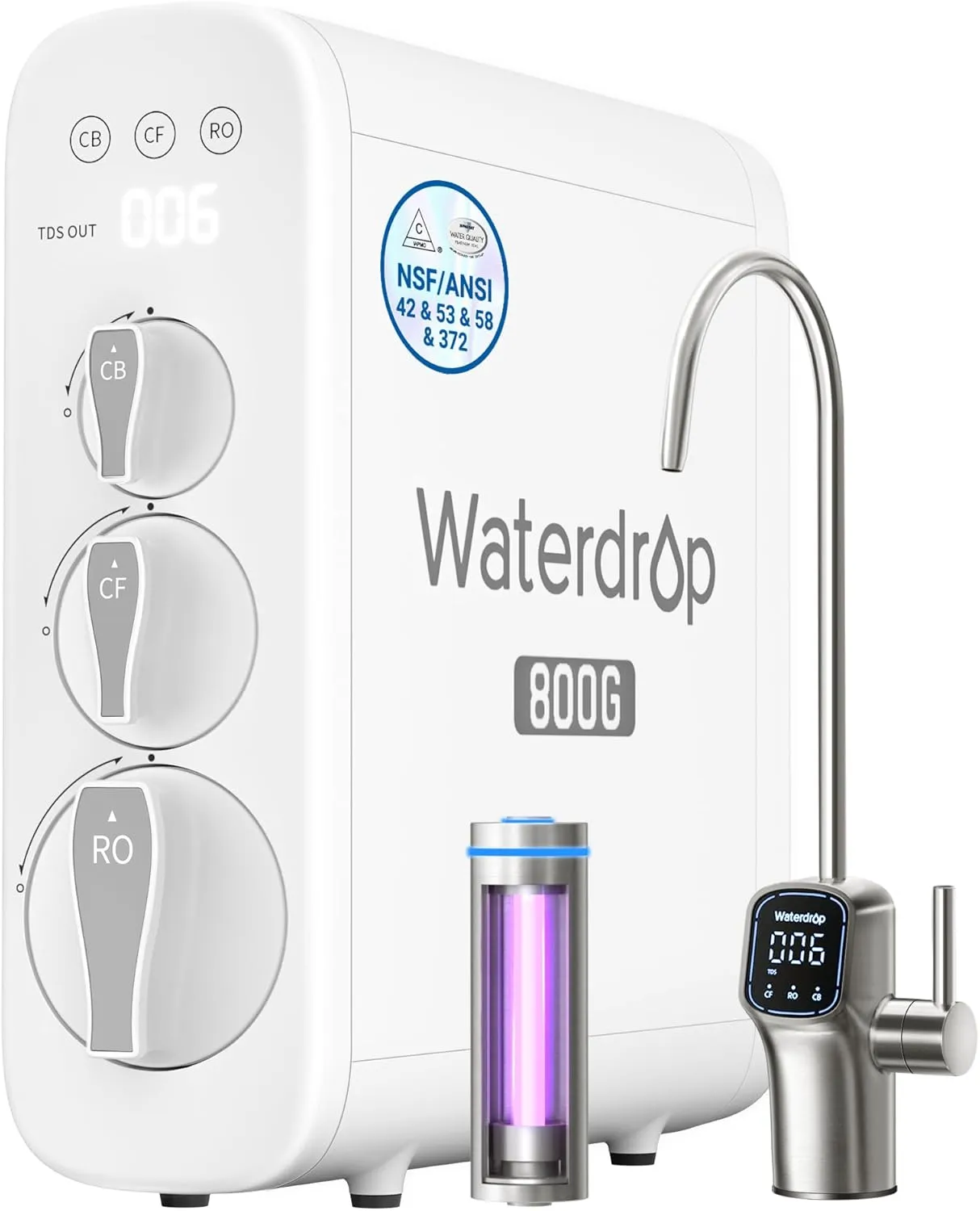
Waterdrop G3P800 Tankless RO
Tankless Reverse Osmosis
$380-450
Why this fits Minneapolis
- Eliminates chlorine taste and odor from Minneapolis's water
- NSF/ANSI 58 + NSF 372 certified
- Premium quality at $380-450
As an Amazon Associate, PurityMap may earn from qualifying purchases. Based on latest Minneapolis water data.
Know exactly what's in YOUR tap
City data shows averages. Your home may differ.
Test Your Water — $25-30About Minneapolis's Water
Minneapolis Hard Water: Effects on Your Home
Hard water conditions in Minneapolis (8.5 GPG) can leave white mineral deposits on fixtures, reduce soap lather, and gradually damage water-using appliances. Water heaters are particularly vulnerable: scale insulates the heating element, raising energy costs and reducing lifespan. A water softener exchanging calcium and magnesium for sodium eliminates scale formation throughout the home. For households concerned about sodium in drinking water, pairing a softener with an RO system at the kitchen tap is the standard approach.
Explore Minneapolis Water Data
Minneapolis Water FAQ
Is Minneapolis MN tap water safe to drink in 2026?
Does Minneapolis MN use chlorine or chloramine for disinfection?
How hard is Minneapolis MN water and what is the TDS level?
Has PFAS been found in Minneapolis MN drinking water?
What is the best water filter for Minneapolis?
Nearby Reports
Compare across all 50 US states
Data Sources
- EPA SDWIS
- EWG Tap Water Database
- Minneapolis Water Works CCR
- USGS monitoring data
PurityMap compiles public data. Updated March 2026.