
Is St. Louis tap water safe to drink?
Yes but with caveats
St. Louis's water meets EPA minimum standards but has some concerns including PFAS detected. Filtration is recommended for sensitive individuals.
4 Issues Detected in St. Louis
PFAS (Forever Chemicals) Detected
PFAS are man-made chemicals that do not break down and accumulate in the body.
PFAS details for St. LouisModerately Hard Water (7.5 GPG)
Hardness above 7 GPG can cause minor scale buildup.
Hardness data for St. Louis631,016,310,263,103 · Missouri and Mississippi Rivers
St. Louis Water Quality Report: PFAS Detected
This 2026 analysis examines St. Louis's water supply with a focus on PFAS exposure, hardness, and overall safety. Data is sourced from EPA SDWIS, EWG, and Missouri American Water consumer confidence reports.
Water Quality Data
Contaminant Levels
Health Insights
- 1At 7.5 GPG, St. Louis's water qualifies as moderately hard. This can cause limescale in pipes and shorten appliance lifespan.
- 2PFAS have been identified in St. Louis's water at 2.7 parts per trillion. A reverse osmosis system is the most reliable home treatment.
- 3Chlorine levels may affect the taste of St. Louis's tap water. A carbon filter improves flavor.
Score
St. Louis tap water is sourced from Missouri and Mississippi Rivers and treated by Missouri American Water. PFAS forever chemicals have been detected. Water hardness is hard at 7.5 GPG which may cause scale buildup. Overall purity score: 64/100 (Moderate). Updated for 2026.
MATCHED TO ST. LOUIS'S WATER DATA
Best Water Filters for St. Louis, MO (2026)
Matched to PFAS Detected, Hard Water (7.5 GPG), Moderate Chlorine in St. Louis.
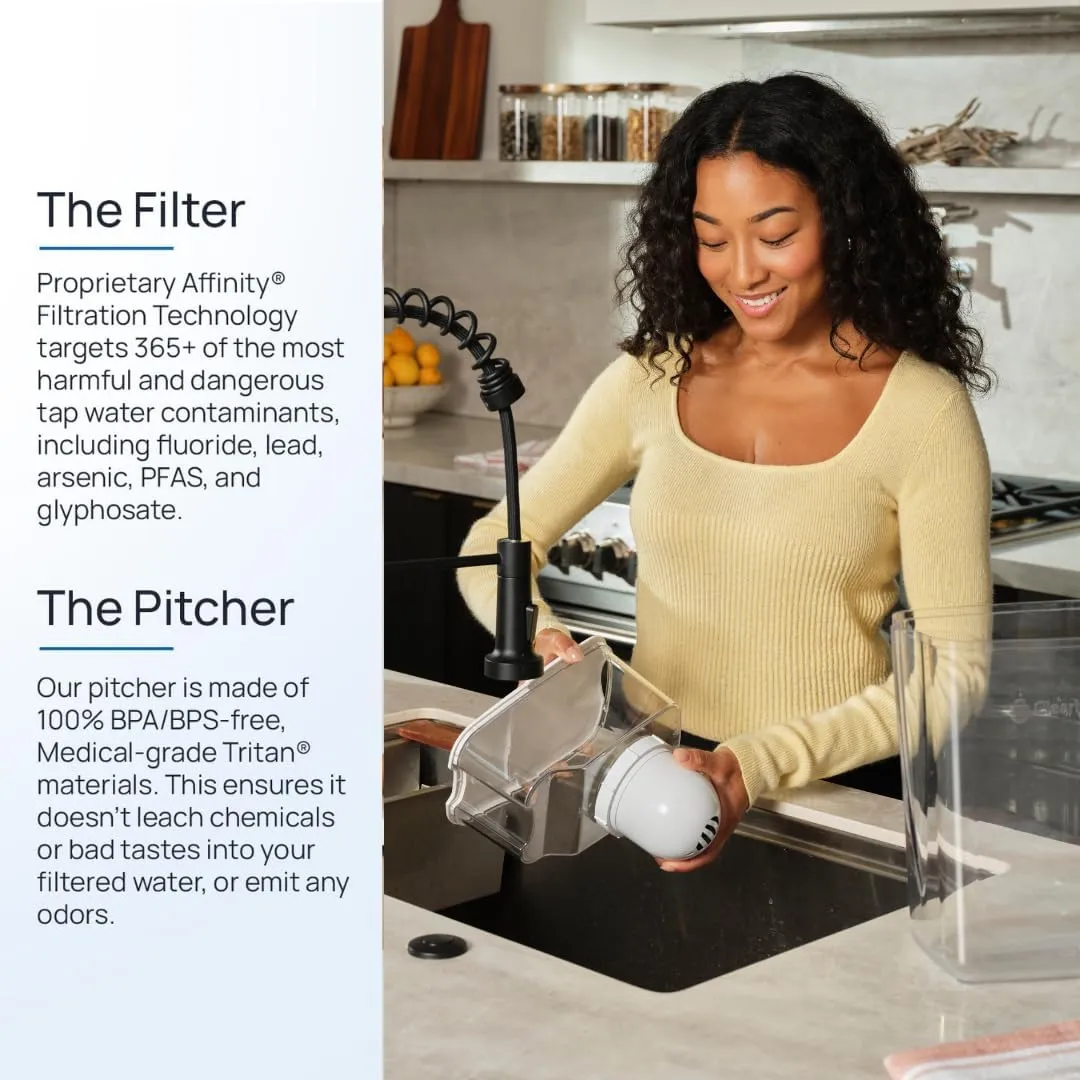
Clearly Filtered Water Pitcher
Pitcher Filter
$80-95
Why this fits St. Louis
- Removes 99%+ of PFAS detected in St. Louis's water
- Eliminates chlorine taste and odor from St. Louis's water
- NSF/ANSI 42 + NSF/ANSI 53 + NSF/ANSI 401 certified
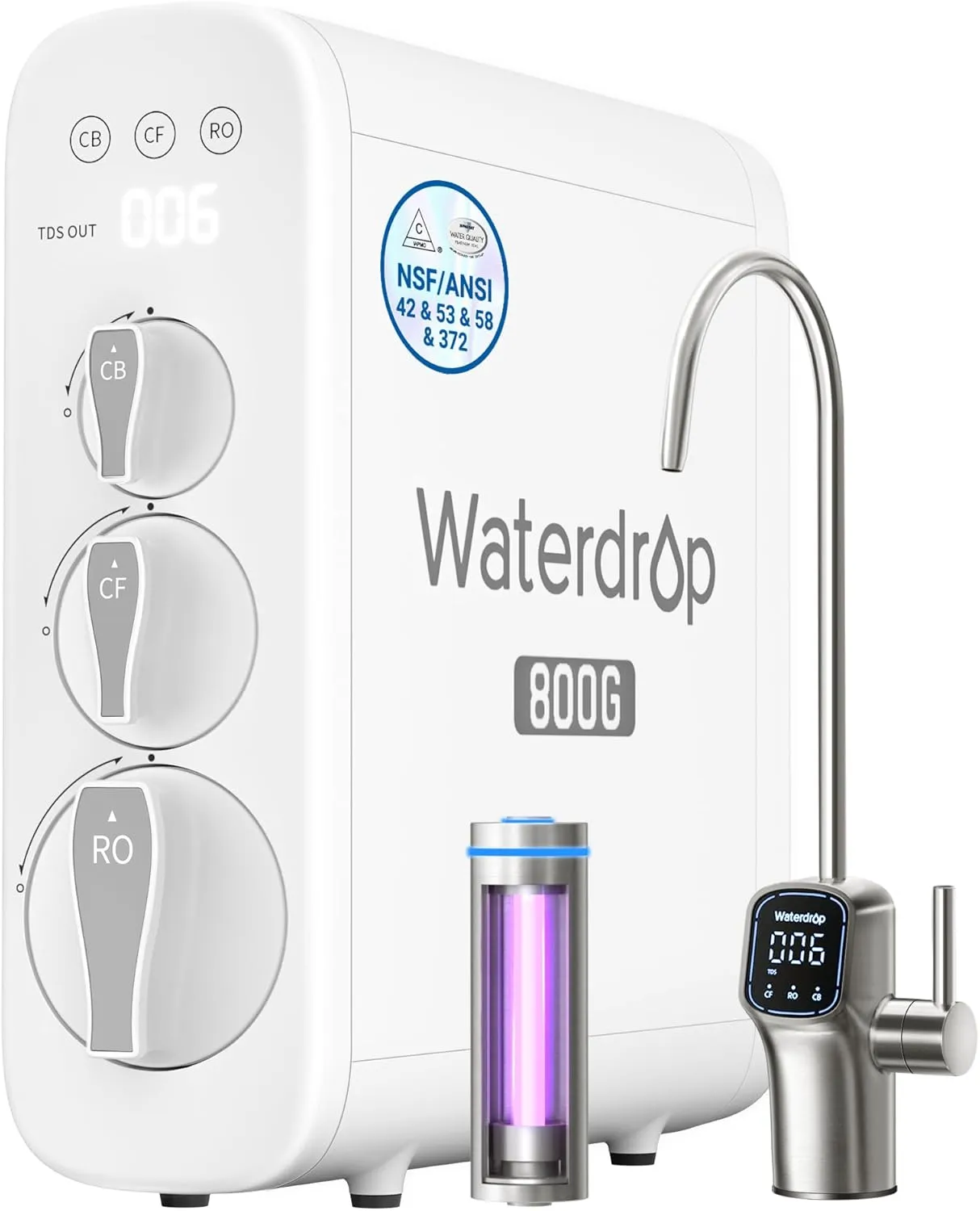
Waterdrop G3P800 Tankless RO
Tankless Reverse Osmosis
$380-450
Why this fits St. Louis
- Removes 99%+ of PFAS detected in St. Louis's water
- Eliminates chlorine taste and odor from St. Louis's water
- NSF/ANSI 58 + NSF 372 certified
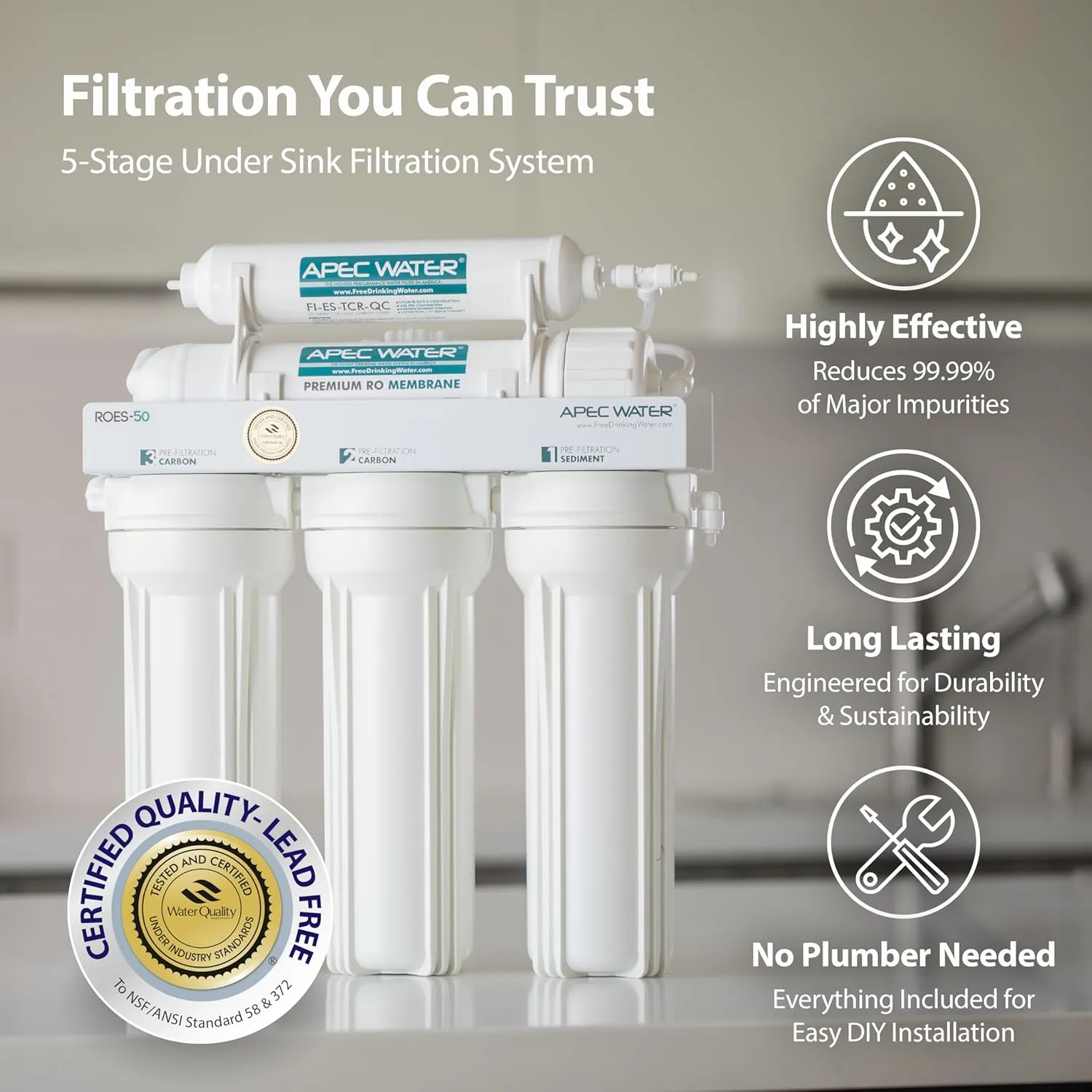
APEC Water Systems ROES-50
Under-Sink Reverse Osmosis
$195-220
Why this fits St. Louis
- Removes 99%+ of PFAS detected in St. Louis's water
- Eliminates chlorine taste and odor from St. Louis's water
- NSF/ANSI 58 certified
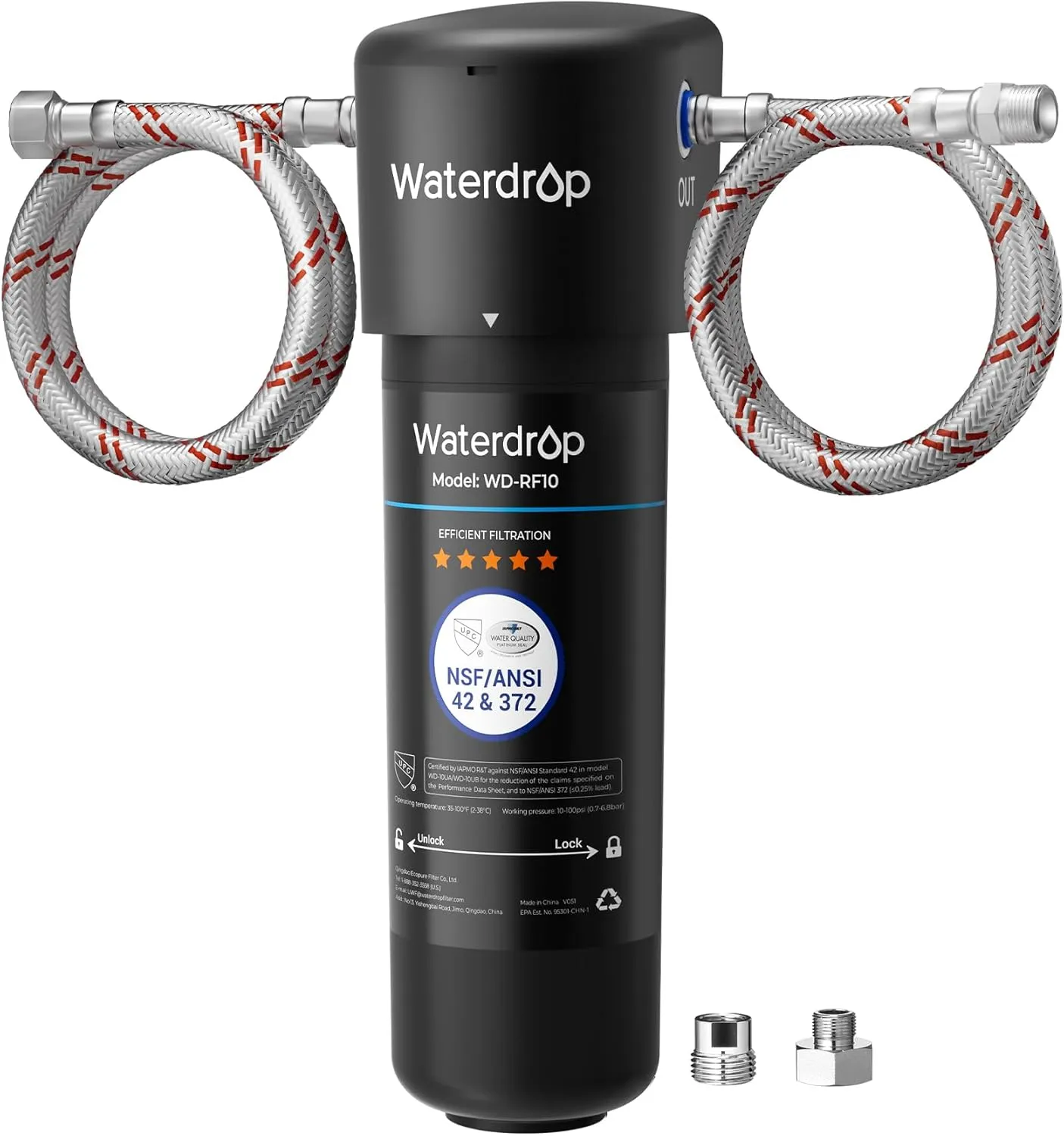
Waterdrop 10UA Under-Sink Filter
Under-Sink Carbon Filter
$40-60
Why this fits St. Louis
- Eliminates chlorine taste and odor from St. Louis's water
- NSF/ANSI 42 certified
- Budget-friendly at $40-60
As an Amazon Associate, PurityMap may earn from qualifying purchases. Based on latest St. Louis water data.
Know exactly what's in YOUR tap
City data shows averages. Your home may differ.
Test Your Water — $25-30About St. Louis's Water
Understanding PFAS in St. Louis's Water Supply
PFAS (per- and polyfluoroalkyl substances) are a class of synthetic chemicals used in industrial and consumer products since the 1940s. Testing identified PFAS compounds in St. Louis's water at 2.7 parts per trillion. These chemicals resist breakdown in the environment and the human body, which is why they're sometimes called forever chemicals. The EPA has established health advisories for several PFAS compounds. A certified reverse osmosis system removes 99% or more of PFAS from drinking water and is currently the most reliable home treatment option.
Hard Water in St. Louis: Impact on Plumbing and Appliances
At 7.5 grains per gallon, St. Louis's water qualifies as hard. Hard water carries dissolved calcium and magnesium that deposit as limescale inside pipes, water heaters, dishwashers, and washing machines over time. Scale accumulation reduces appliance efficiency and shortens service life. A salt-based water softener is the most effective solution for whole-home protection. For drinking water only, a reverse osmosis system also reduces mineral content significantly.
Explore St. Louis Water Data
St. Louis Water FAQ
Is St. Louis MO tap water safe to drink in 2026?
Does St. Louis MO use chlorine or chloramine for disinfection?
How hard is St. Louis MO water and what is the TDS level?
Has PFAS been found in St. Louis MO drinking water?
What is the best water filter for St. Louis?
Nearby Reports
Compare across all 50 US states
Data Sources
- EPA SDWIS
- EWG Tap Water Database
- Missouri American Water CCR
- USGS monitoring data
PurityMap compiles public data. Updated March 2026.