City water report · 2026

Is San Antonio Tap Water Safe to Drink?

Short answer: In the 2022–2026 records we hold for San Antonio, no listed result is above a legal limit. Also worth knowing: lithium sits above a screening level, and the water is very hard (17.5 gpg). 8 substances were detected and 26 were tested and not detected. The water is from San Antonio Water System, serving 2,643,729 residents.

  • Year 2026
  • Utility San Antonio Water System
  • Coverage 34 records
  • Updated 2026-10-15
Water utility

Where San Antonio’s water comes from

Utility
San Antonio Water System
Water system
SAN ANTONIO WATER SYSTEM · TX0150018
Source water
Surface water
Disinfectant
Chlorine
Population served
2,643,729
Reporting period
Sampled 2022–2026
Monitoring coverage
34 records · 4 of 4 groups measured
Service lines
0 lead, 43 galvanized, 346,335 unknown material (EPA inventory, 2026Q2)
Likely match, check your bill

Your water bill or annual water quality report names your actual supplier.

Also supplies: Timberwood Park, Scenic Oaks, Helotes, Sandy Oaks, Terrell Hills, Hollywood Park, Balcones Heights, Olmos Park, Somerset, China Grove, Hill Country Village

Why this matters
  1. 1
    Source

    Surface water

  2. 2
    Treatment

    Treated and disinfected with chlorine.

  3. 3
    Distribution

    Mains, then your building’s service line.

  4. 4
    Your tap

    Plumbing inside the building is outside this record.

At a glance

San Antonio water in four numbers

Purity ScoreSAN ANTONIO WATER SYSTEM · PWSID TX0150018
8Detected2 above a reference
2Above a referenceof 34 records
0Health-based violationslast 10 years · EPA SDWIS

No measured result is above a legal limit; lithium sits above a screening level, and the water is very hard (17.5 gpg).

What we found

8 detected results, by distance from their limit

LithiumAbove screening · Screening level10 µg/L EPA health reference level (screening, not a legal limit)25.5µg/L
① · Measured

25.5 µg/L, sampled 2023-05-08 to 2026-06-16. EPA UCMR 5.

② · Compared

10 µg/L EPA health reference level (screening, not a legal limit).

③ · Meaning

Detected at up to 25.5 µg/L (above the 10 µg/L EPA health reference level; a screening level, not a legal limit).

④ · Where it matters

Where it enters is not in this record.

⑤ · What to do

Test your own tap first. To reduce it: Depends on the contaminant (The certifier's listing for each named contaminant).

See the evidence record →
Total trihalomethanes (TTHM)Within reference · Federal MCL80 ppb federal MCL33ppb
① · Measured

33 ppb, sampled 2025. Utility CCR.

② · Compared

80 ppb federal MCL: a legal limit.

③ · Meaning

33 ppb (below the 80 ppb federal limit).

④ · Where it matters

Forms in the pipes as the disinfectant reacts with natural organic matter.

⑤ · What to do

Test your own tap first. Technologies that can reduce it: Activated carbon, Reverse osmosis.

See the evidence record →
Haloacetic acids (HAA5)Within reference · Federal MCL60 ppb federal MCL8ppb
① · Measured

8 ppb, sampled 2025. Utility CCR.

② · Compared

60 ppb federal MCL: a legal limit.

③ · Meaning

8 ppb (below the 60 ppb federal limit).

④ · Where it matters

Forms in the pipes as the disinfectant reacts with natural organic matter.

⑤ · What to do

Test your own tap first. Technologies that can reduce it: Activated carbon, Reverse osmosis.

See the evidence record →
Lead (90th percentile)Within reference · Action level15 µg/L federal action level1.6µg/L
① · Measured

1.6 µg/L, sampled 2022–2024 monitoring period. EPA SDWIS (Lead & Copper Rule).

② · Compared

15 µg/L federal action level. EPA health goal (MCLG): 0.

③ · Meaning

The 90th-percentile tap result was 1.6 µg/L (below the 15 µg/L action level).

④ · Where it matters

Usually from lead service lines, solder and fixtures inside buildings, after the water leaves treatment.

⑤ · What to do

Test your own tap first. To reduce it: Lead-certified carbon filter, or reverse osmosis (NSF/ANSI 53 (lead)).

See the evidence record →
Perfluorobutanesulfonic acid (PFBS)Within reference · Screening level2,000 ng/L EPA health advisory (screening, not a legal limit)3.8ng/L
① · Measured

3.8 ng/L, sampled 2023-05-08 to 2026-06-16. EPA UCMR 5.

② · Compared

2,000 ng/L EPA health advisory (screening, not a legal limit).

③ · Meaning

Detected at up to 3.8 ng/L (below the 2,000 ng/L EPA health advisory; a screening level, not a legal limit).

④ · Where it matters

Comes with the source water; home plumbing does not add it.

⑤ · What to do

Test your own tap first. To reduce it: Reverse osmosis, or carbon certified for PFAS (NSF/ANSI 53 or 58, with PFBS named on the listing).

See the evidence record →
Water hardnessAbove aesthetic · Aesthetic, no health limitAesthetic, no federal health limit17.5gpg
① · Measured

17.5 gpg, sampled 2025. Utility CCR.

② · Compared

Aesthetic, no federal health limit.

③ · Meaning

300 mg/L as CaCO3 (17.5 grains/gal), very hard. Aesthetic (scale/appliances), not a health finding.

④ · Where it matters

Shows up as scale in kettles, water heaters and fixtures.

⑤ · What to do

Test your own tap first. To reduce it: Ion-exchange water softener (NSF/ANSI 44 (softeners)).

See the evidence record →
Perfluorobutanoic acid (PFBA)Detected · no limit · No federal limitNo federal or state limit; shown for transparency9.2ng/L
① · Measured

9.2 ng/L, sampled 2023-05-08 to 2026-06-16. EPA UCMR 5.

② · Compared

No federal limit is on record for it.

③ · Meaning

Detected at up to 9.2 ng/L. No federal or state limit exists for this substance; shown for transparency, not graded.

④ · Where it matters

Comes with the source water; home plumbing does not add it.

⑤ · What to do

Test your own tap first. To reduce it: Reverse osmosis, or carbon certified for PFAS (NSF/ANSI 53 or 58, with PFBA named on the listing).

See the evidence record →
Perfluoropentanoic acid (PFPeA)Detected · no limit · No federal limitNo federal or state limit; shown for transparency3.2ng/L
① · Measured

3.2 ng/L, sampled 2023-05-08 to 2026-06-16. EPA UCMR 5.

② · Compared

No federal limit is on record for it.

③ · Meaning

Detected at up to 3.2 ng/L. No federal or state limit exists for this substance; shown for transparency, not graded.

④ · Where it matters

Comes with the source water; home plumbing does not add it.

⑤ · What to do

Test your own tap first. To reduce it: Reverse osmosis, or carbon certified for PFAS (NSF/ANSI 53 or 58, with PFPeA named on the listing).

See the evidence record →
26 others tested, none detectedshow
  • 11Cl-PF3OUdS
  • 8:2 FTS
  • 4:2 FTS
  • 6:2 FTS
  • ADONA
  • 9Cl-PF3ONS
  • HFPO-DA (GenX)
  • NEtFOSAA
  • NMeFOSAA
  • NFDHA
  • PFEESA
  • PFMPA
  • PFMBA
  • PFDA
  • PFDoA
  • PFHpS
  • PFHpA
  • PFHxS
  • PFHxA
  • PFNA
  • PFOS
  • PFOA
  • PFPeS
  • PFTA
  • PFTrDA
  • PFUnA

SAN ANTONIO WATER SYSTEM (EPA PWSID TX0150018) delivers surface water to 2,643,729 residents. This report reflects 29 individual PFAS result(s) from the source UCMR5 observations and the latest Lead & Copper Rule 90th-percentile result. The utility's 2025 CCR reports very hard water and chlorine disinfection.

Track record

0health-based violations in the last 10 years

From EPA SDWIS. A clean violation history means no enforcement action was recorded; it does not cover contaminants without a limit.

Your household

Your tap can differ from the city record

The record describes water leaving treatment and samples across the system. Pipes, solder and fixtures inside a building can add lead the record can’t see, especially in older buildings with lead service lines.

Test your water
  1. City
    Treated water

    Measured in this report

  2. Mains
    Distribution network

    Sampled across the system

  3. Building
    Service line and plumbing

    Not in this record

  4. Tap
    Your glass

    Only a tap test measures it

Test first, then treat

Water testing in San Antonio, TX

  1. 01Test

    Know what comes from your tap, starting with a first-draw lead sample.

  2. 02Match

    Compare each result with its named reference in our test reader.

  3. 03Treat

    Choose a technology certified for what your test found.

How to get your water tested in San Antonio

Commercial

Test kits

Affiliate links

Screening tells you if something is worth a closer look; a lab result is the number you can act on.

As an Amazon Associate, PurityMap earns from qualifying purchases. PurityMap earns a commission from US Water Systems when you buy its lab test through our link. Affiliate disclosure.

  • Mail-in lab test

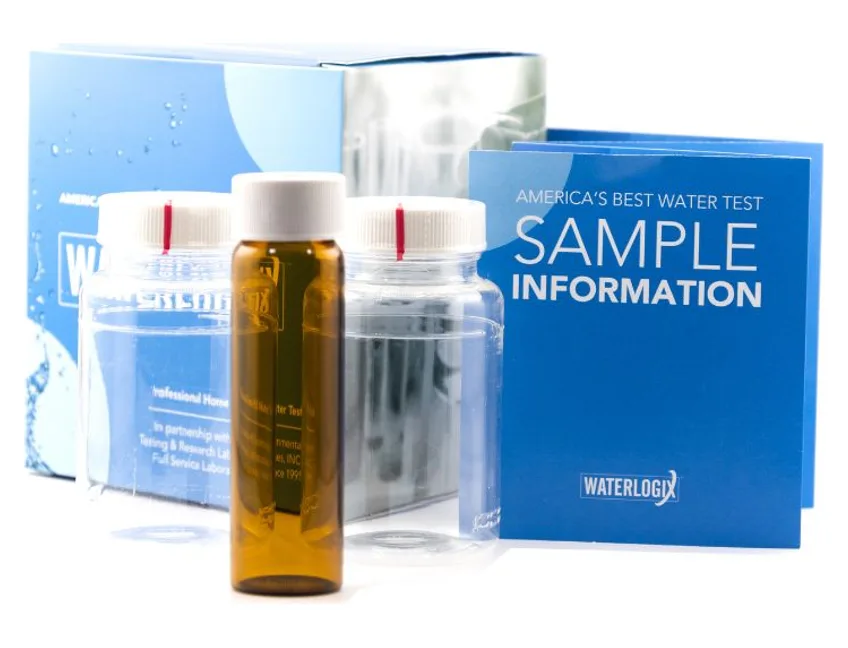
    Waterlogix Comprehensive City Water Test

    US Water Systems (Waterlogix)

    Manufacturer states: 113 city water contaminants at a lab, including lead, arsenic, nitrate, coliform bacteria, hardness, disinfection byproducts and volatile organic compounds

    • Analyzed by A lab the product page does not name · Manufacturer states: certified. The kit box says “in partnership with Environmental Testing & Research Laboratories, Inc.” We have not seen any certificate for this lab.
    • Manufacturer states: Turnaround: 3–5 business days after the lab receives it

    What it can't tell you: US Water Systems’ product page names no lab. Its kit box says “in partnership with Environmental Testing & Research Laboratories, Inc.”, and we have not seen any certificate for that lab or this test. US Water Systems says most customers get results and a treatment plan within about two weeks of ordering (one reviewer says about 2 weeks), and that plan comes from a company that sells treatment systems. It does not list PFAS. One sample shows one tap on one day.

  • Screening: quick check, not lab-grade

    Varify 17-in-1 Complete Water Test Kit

    Varify

    17 strip readings, including lead, chlorine, fluoride, iron and hardness, plus 2 coliform bacteria tests

    • Turnaround: About 1 minute; the bacteria test takes 48 hours

    What it can't tell you: Strip colors give rough ranges, not lab numbers, and it cannot detect PFAS or arsenic.

When your results arrive, read them here → · Compare every kit we list

What lab tests cost →

Treatment matching

What can reduce what was found here

FindingReference typeTechnologyCertification to check
Lithium25.5 µg/LScreening levelDepends on the contaminantThe certifier's listing for each named contaminant
Total trihalomethanes (TTHM)33 ppbFederal MCLActivated carbon, Reverse osmosisCheck the certifier’s listing
Haloacetic acids (HAA5)8 ppbFederal MCLActivated carbon, Reverse osmosisCheck the certifier’s listing
Lead (90th percentile)1.6 µg/LAction levelLead-certified carbon filter, or reverse osmosisNSF/ANSI 53 (lead)
Perfluorobutanesulfonic acid (PFBS)3.8 ng/LScreening levelReverse osmosis, or carbon certified for PFASNSF/ANSI 53 or 58, with PFBS named on the listing
Water hardness17.5 gpgAesthetic, no health limitIon-exchange water softenerNSF/ANSI 44 (softeners)
Perfluorobutanoic acid (PFBA)9.2 ng/LNo federal limitReverse osmosis, or carbon certified for PFASNSF/ANSI 53 or 58, with PFBA named on the listing
Perfluoropentanoic acid (PFPeA)3.2 ng/LNo federal limitReverse osmosis, or carbon certified for PFASNSF/ANSI 53 or 58, with PFPeA named on the listing

Understand water treatment technologies →

Commercial

Certified for a concern found here

Each card names which San Antonio findings its current certification covers, and which it doesn't.

As an Amazon Associate, PurityMap earns from qualifying purchases. A product appears here only when a current certification record covers at least one identified concern; every concern stays listed. The retail offer is looked up afterwards and never changes which products appear or their order. Affiliate disclosure.

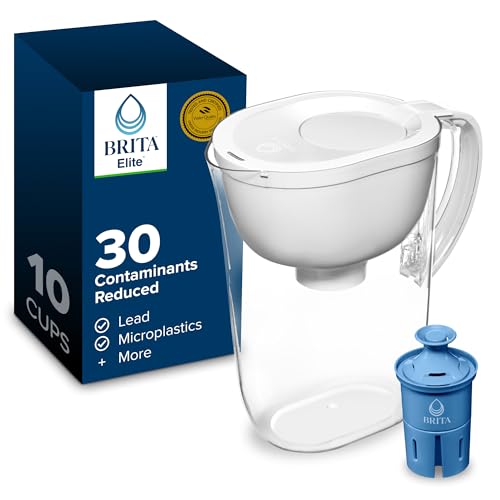
Brita Elite Water Filter Pitcher
Water Pitcher

Brita Elite Water Filter Pitcher

  • Lead: eligible, evidence match
  • Not established: Lithium, Perfluorobutanesulfonic acid (PFBS), Perfluorobutanoic acid (PFBA) and 2 more
Not suitable for (3)
  • Treating every tap in the home
  • A whole-home hard-water or scale problem
  • All PFAS: its evidence covers only the compounds it names
Culligan ZeroWater 10-Cup Pitcher (ZEROP10)
Water Pitcher

Culligan ZeroWater 10-Cup Pitcher (ZEROP10)

  • Lead: eligible, evidence match
  • Not established: Lithium, Perfluorobutanesulfonic acid (PFBS), Perfluorobutanoic acid (PFBA) and 2 more
Not suitable for (3)
  • Treating every tap in the home
  • A whole-home hard-water or scale problem
  • All PFAS: its evidence covers only the compounds it names
See all 15 products certified for a San Antonio concern →
PUR Plus Faucet Filter (FM2500V)
Faucet Attachment

PUR Plus Faucet Filter (FM2500V)

  • Lead: eligible, evidence match
  • Not established: Lithium, Perfluorobutanesulfonic acid (PFBS), Perfluorobutanoic acid (PFBA) and 2 more
Not suitable for (3)
  • Treating every tap in the home
  • A whole-home hard-water or scale problem
  • All PFAS: its evidence covers only the compounds it names
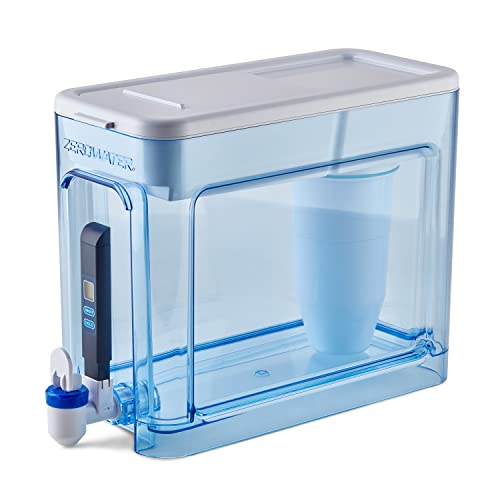
ZeroWater 32-Cup Water Filter Dispenser (ZD-032-RR)
Countertop System

ZeroWater 32-Cup Water Filter Dispenser (ZD-032-RR)

  • Lead: eligible, evidence match
  • Not established: Lithium, Perfluorobutanesulfonic acid (PFBS), Perfluorobutanoic acid (PFBA) and 2 more
Not suitable for (3)
  • Treating every tap in the home
  • A whole-home hard-water or scale problem
  • All PFAS: its evidence covers only the compounds it names
ZeroWater 52-Cup Water Filter Dispenser (ZD-052-RR)
Countertop System

ZeroWater 52-Cup Water Filter Dispenser (ZD-052-RR)

  • Lead: eligible, evidence match
  • Not established: Lithium, Perfluorobutanesulfonic acid (PFBS), Perfluorobutanoic acid (PFBA) and 2 more
Not suitable for (3)
  • Treating every tap in the home
  • A whole-home hard-water or scale problem
  • All PFAS: its evidence covers only the compounds it names
Aquasana Claryum 2-Stage Under-Sink Filter (AQ-5200)
Under-Sink Filter

Aquasana Claryum 2-Stage Under-Sink Filter (AQ-5200)

  • Lead: eligible, evidence match
  • Not established: Lithium, Perfluorobutanesulfonic acid (PFBS), Perfluorobutanoic acid (PFBA) and 2 more
Not suitable for (5)
  • Treating every tap in the home
  • A whole-home hard-water or scale problem
  • All PFAS: its evidence covers only the compounds it names
  • Anyone who can't plumb, drill or hire an installer
  • Renters who can't modify plumbing
Aquasana Claryum 3-Stage Max Flow Under-Sink Filter (AQ-6300M)
Under-Sink Filter

Aquasana Claryum 3-Stage Max Flow Under-Sink Filter (AQ-6300M)

  • Lead: eligible, evidence match
  • Not established: Lithium, Perfluorobutanesulfonic acid (PFBS), Perfluorobutanoic acid (PFBA) and 2 more
Not suitable for (5)
  • Treating every tap in the home
  • A whole-home hard-water or scale problem
  • All PFAS: its evidence covers only the compounds it names
  • Anyone who can't plumb, drill or hire an installer
  • Renters who can't modify plumbing
Frizzlife SP99 Under-Sink Filter
Under-Sink Filter

Frizzlife SP99 Under-Sink Filter

  • Lead: eligible, evidence match
  • Not established: Lithium, Perfluorobutanesulfonic acid (PFBS), Perfluorobutanoic acid (PFBA) and 2 more
Not suitable for (4)
  • Treating every tap in the home
  • A whole-home hard-water or scale problem
  • All PFAS: its evidence covers only the compounds it names
  • Anyone who can't plumb, drill or hire an installer
AquaTru Carafe Countertop Reverse-Osmosis Purifier (AT100)
Countertop System

AquaTru Carafe Countertop Reverse-Osmosis Purifier (AT100)

  • Lead: eligible, evidence match
  • Not established: Lithium, Perfluorobutanesulfonic acid (PFBS), Perfluorobutanoic acid (PFBA) and 2 more
Not suitable for (3)
  • Treating every tap in the home
  • A whole-home hard-water or scale problem
  • All PFAS: its evidence covers only the compounds it names
AquaTru Classic Countertop Reverse-Osmosis Purifier (AT2000)
Countertop System

AquaTru Classic Countertop Reverse-Osmosis Purifier (AT2000)

  • Lead: eligible, evidence match
  • Not established: Lithium, Perfluorobutanesulfonic acid (PFBS), Perfluorobutanoic acid (PFBA) and 2 more
Not suitable for (3)
  • Treating every tap in the home
  • A whole-home hard-water or scale problem
  • All PFAS: its evidence covers only the compounds it names
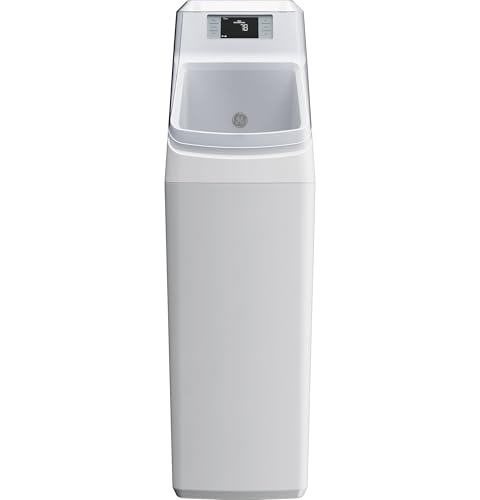
GE GXSH35W Water Softener (35,000-grain)
Whole-House System

GE GXSH35W Water Softener (35,000-grain)

  • Hardness / scale: eligible, evidence match
  • Not established: Lithium, Perfluorobutanesulfonic acid (PFBS), Lead and 2 more
Not suitable for (4)
  • Treating only the drinking-water tap
  • Lead from plumbing after the point it treats
  • Anyone who can't plumb, drill or hire an installer
  • Renters who can't modify plumbing
Kenmore 420 Water Softener (40,000-grain)
Whole-House System

Kenmore 420 Water Softener (40,000-grain)

  • Hardness / scale: eligible, evidence match
  • Not established: Lithium, Perfluorobutanesulfonic acid (PFBS), Lead and 2 more
Not suitable for (4)
  • Treating only the drinking-water tap
  • Lead from plumbing after the point it treats
  • Anyone who can't plumb, drill or hire an installer
  • Renters who can't modify plumbing
Waterdrop G3P600 Tankless Reverse-Osmosis System
Under-Sink Filter

Waterdrop G3P600 Tankless Reverse-Osmosis System

  • Lead: eligible, evidence match
  • Not established: Lithium, Perfluorobutanesulfonic acid (PFBS), Perfluorobutanoic acid (PFBA) and 2 more
Not suitable for (5)
  • Treating every tap in the home
  • A whole-home hard-water or scale problem
  • All PFAS: its evidence covers only the compounds it names
  • Anyone who can't plumb, drill or hire an installer
  • Renters who can't modify plumbing
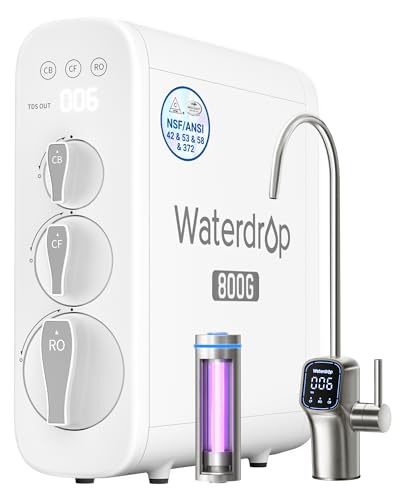
Waterdrop G3P800 Tankless Reverse-Osmosis System
Under-Sink Filter

Waterdrop G3P800 Tankless Reverse-Osmosis System

  • Lead: eligible, evidence match
  • Not established: Lithium, Perfluorobutanesulfonic acid (PFBS), Perfluorobutanoic acid (PFBA) and 2 more
Not suitable for (5)
  • Treating every tap in the home
  • A whole-home hard-water or scale problem
  • All PFAS: its evidence covers only the compounds it names
  • Anyone who can't plumb, drill or hire an installer
  • Renters who can't modify plumbing
everydrop by Whirlpool Filter 3 Refrigerator Water Filter (EDR3RXD1)
Refrigerator Filter

everydrop by Whirlpool Filter 3 Refrigerator Water Filter (EDR3RXD1)

  • Lead: eligible, evidence match
  • Not established: Lithium, Perfluorobutanesulfonic acid (PFBS), Perfluorobutanoic acid (PFBA) and 2 more
Not suitable for (3)
  • Treating every tap in the home
  • A whole-home hard-water or scale problem
  • All PFAS: its evidence covers only the compounds it names

Lead service lines

Ask your utility first

San Antonio Water System reported 43 galvanized service lines to replace in EPA’s inventory (2026Q2). Many utilities replace these lines for free or share the cost. Ask San Antonio Water System whether your home’s line is on its list before you pay anyone.

Is this right for my home?

Choose your situation

Your situation
Your path: I live in an older buildingLead from plumbing is the main question

Older buildings may have lead service lines, solder or fixtures. San Antonio’s record shows lead at 1.6 µg/L (15 µg/L federal action level). Test first-draw water, then filter if needed.

Look forLead reduction: NSF/ANSI 53 (lead)
How to test your tap →
Your path: I care about PFASCheck what was tested

3 of 29 PFAS tested were detected in San Antonio’s record (PFBS 3.8 ng/L, PFBA 9.2 ng/L and PFPeA 3.2 ng/L). If PFAS matters to you, a filter certification names each compound it covers.

Look forNSF/ANSI 53 or 58, with each compound you care about named on the listing
PFAS in San Antonio →
Your path: My water tastes of chlorineSan Antonio’s system disinfects with chlorine

Utilities keep a disinfectant in the pipes on the way to your tap. A carbon filter certified for chlorine reduces the taste.

Look forNSF/ANSI 42 (chlorine taste and odor)
Water treatment technologies →
Your path: I have scale or hard waterSan Antonio water is very hard (17.5 gpg)

Scale is a comfort and appliance issue, not a health one.

Look forSoftener: NSF/ANSI 44 (softeners)
Hard water in San Antonio →
Your path: I want the broadest reductionReverse osmosis at one tap

Reverse osmosis reduces many dissolved contaminants, including lead and minerals, at a single faucet, with some water sent to drain.

Look forNSF/ANSI 58
Compare treatments →
Questions

San Antonio tap water FAQ

San Antonio water alerts

Get an alert when San Antonio’s record changes.

Double opt-in: we email a confirmation link. You'll also get a short welcome series and the PurityMap digest. Unsubscribe anytime.

Is San Antonio tap water safe to drink?

PurityMap does not give a safe/unsafe verdict; it shows what the public records measured. For San Antonio, PFAS were detected below their limits, and PFBA 9.2 ng/L and PFPeA 3.2 ng/L with no federal or state limit; the lead 90th-percentile result was 1.6 µg/L against the 15 µg/L action level. SAN ANTONIO WATER SYSTEM (PWSID TX0150018) has a Purity Score of 95/100 (confidence: high), assessed at the water-system level and computed only from contaminants that were measured. Water can change in your own pipes, so a certified test is the only way to know what comes out of your tap. What we found →

Who provides tap water in San Antonio?

SAN ANTONIO WATER SYSTEM (PWS ID TX0150018) is the public water system on record for San Antonio, Texas, serving about 2,643,729 people. Confirm the utility on your water bill before acting on a specific finding. Water utility →

Where does San Antonio get its drinking water?

Surface water (primary source of record in EPA SDWIS). Water utility →

Are PFAS "forever chemicals" in San Antonio's water?

In EPA's UCMR 5 testing (2023-05-08 to 2026-06-16), PFBS was detected at 3.8 ng/L, below the 2,000 ng/L EPA health advisory. PFBA (9.2 ng/L) and PFPeA (3.2 ng/L) were also detected; they have no federal or state limit. PFAS in San Antonio water →

Is there lead in San Antonio's tap water?

SAN ANTONIO WATER SYSTEM's most recent lead 90th-percentile result (2022–2024) was 1.6 µg/L, below the 15 µg/L action level. That figure comes from sampled homes; lead usually enters from a building's own pipes and fixtures, so only a test at your tap tells you what you drink. Your household →

What does the latest San Antonio water report show?

PurityMap's current record for San Antonio holds 34 findings: 2 above a reference, 4 detected within the reference, 2 detected with no limit and 26 not detected. Each finding links to its dated public record; a parameter that was never monitored is shown as pending, not as a pass. Records →

Is San Antonio's water hard?

San Antonio's water is recorded as 17.5 gpg, very hard. Hardness is an aesthetic and plumbing characteristic, not a health-based limit. San Antonio water hardness →

Where can I get my water tested in San Antonio?

For a lab result, use a lab certified for drinking water: in Texas, the Texas Commission on Environmental Quality certifies those labs and publishes the list. Ask the lab for the tests you need, such as a first-draw lead sample. A private well is not covered by the city record; PurityMap's Bexar County private-well page covers well water there. SAN ANTONIO WATER SYSTEM's annual water quality report shows what the system measured; only a test of your own tap shows what comes out of it. Water testing in San Antonio →

Why does San Antonio tap water taste or smell like chlorine?

SAN ANTONIO WATER SYSTEM disinfects with chlorine, according to the record. Utilities keep a disinfectant in the pipes on the way to your tap, and some people notice its taste or smell. It is allowed up to a federal limit of 4 mg/L; this record holds no measured level of it. A carbon filter certified to NSF/ANSI 42 for chlorine taste and odor reduces the taste and smell. Choose your situation →

Data and sources

34 records, each traceable

  • EPA UCMR 5
  • EPA SDWIS (Lead & Copper Rule)
  • Utility CCR
ContaminantMeasuredReferenceSampledSource
Lithium25.5 µg/L10 µg/L EPA health reference level (screening, not a legal limit)2023–2026EPA UCMR 5 ↗ (opens in a new tab)
Water hardness17.5 gpgAesthetic, no federal health limit2025Utility CCR ↗ (opens in a new tab)
Total trihalomethanes (TTHM)33 ppb80 ppb federal MCL2025Utility CCR ↗ (opens in a new tab)
Haloacetic acids (HAA5)8 ppb60 ppb federal MCL2025Utility CCR ↗ (opens in a new tab)
Lead (90th percentile)1.6 µg/L15 µg/L federal action level2022–2024EPA SDWIS (Lead & Copper Rule) ↗ (opens in a new tab)
Perfluorobutanesulfonic acid (PFBS)3.8 ng/L2,000 ng/L EPA health advisory (screening, not a legal limit)2023–2026EPA UCMR 5 ↗ (opens in a new tab)
Perfluorobutanoic acid (PFBA)9.2 ng/LNo federal or state limit; shown for transparency2023–2026EPA UCMR 5 ↗ (opens in a new tab)
Perfluoropentanoic acid (PFPeA)3.2 ng/LNo federal or state limit; shown for transparency2023–2026EPA UCMR 5 ↗ (opens in a new tab)
11-Chloroeicosafluoro-3-oxaundecane-1-sulfonic acid (11Cl-PF3OUdS)< 5 ng/L (not detected)No federal or state limit; shown for transparency2023–2026EPA UCMR 5 ↗ (opens in a new tab)
1H, 1H, 2H, 2H-perfluorodecane sulfonic acid (8:2 FTS)< 5 ng/L (not detected)No federal or state limit; shown for transparency2023–2026EPA UCMR 5 ↗ (opens in a new tab)
1H, 1H, 2H, 2H-perfluorohexane sulfonic acid (4:2 FTS)< 3 ng/L (not detected)No federal or state limit; shown for transparency2023–2026EPA UCMR 5 ↗ (opens in a new tab)
1H, 1H, 2H, 2H-perfluorooctane sulfonic acid (6:2 FTS)< 5 ng/L (not detected)No federal or state limit; shown for transparency2023–2026EPA UCMR 5 ↗ (opens in a new tab)
4,8-Dioxa-3H-perfluorononanoic acid (ADONA)< 3 ng/L (not detected)No federal or state limit; shown for transparency2023–2026EPA UCMR 5 ↗ (opens in a new tab)
9-Chlorohexadecafluoro-3-oxanone-1-sulfonic acid (9Cl-PF3ONS)< 2 ng/L (not detected)No federal or state limit; shown for transparency2023–2026EPA UCMR 5 ↗ (opens in a new tab)
Hexafluoropropylene oxide dimer acid (HFPO-DA) (GenX chemicals)< 5 ng/L (not detected)10 ng/L federal MCL (2024)2023–2026EPA UCMR 5 ↗ (opens in a new tab)
N-ethyl perfluorooctanesulfonamidoacetic acid (NEtFOSAA)< 5 ng/L (not detected)No federal or state limit; shown for transparency2023–2026EPA UCMR 5 ↗ (opens in a new tab)
N-methyl perfluorooctanesulfonamidoacetic acid (NMeFOSAA)< 6 ng/L (not detected)No federal or state limit; shown for transparency2023–2026EPA UCMR 5 ↗ (opens in a new tab)
Nonafluoro-3,6-dioxaheptanoic acid (NFDHA)< 20 ng/L (not detected)No federal or state limit; shown for transparency2023–2026EPA UCMR 5 ↗ (opens in a new tab)
Perfluoro (2-ethoxyethane) sulfonic acid (PFEESA)< 3 ng/L (not detected)No federal or state limit; shown for transparency2023–2026EPA UCMR 5 ↗ (opens in a new tab)
Perfluoro-3-methoxypropanoic acid (PFMPA)< 4 ng/L (not detected)No federal or state limit; shown for transparency2023–2026EPA UCMR 5 ↗ (opens in a new tab)
Perfluoro-4-methoxybutanoic acid (PFMBA)< 3 ng/L (not detected)No federal or state limit; shown for transparency2023–2026EPA UCMR 5 ↗ (opens in a new tab)
Perfluorodecanoic acid (PFDA)< 3 ng/L (not detected)No federal or state limit; shown for transparency2023–2026EPA UCMR 5 ↗ (opens in a new tab)
Perfluorododecanoic acid (PFDoA)< 3 ng/L (not detected)No federal or state limit; shown for transparency2023–2026EPA UCMR 5 ↗ (opens in a new tab)
Perfluoroheptanesulfonic acid (PFHpS)< 3 ng/L (not detected)No federal or state limit; shown for transparency2023–2026EPA UCMR 5 ↗ (opens in a new tab)
Perfluoroheptanoic acid (PFHpA)< 3 ng/L (not detected)No federal or state limit; shown for transparency2023–2026EPA UCMR 5 ↗ (opens in a new tab)
Perfluorohexanesulfonic acid (PFHxS)< 3 ng/L (not detected)10 ng/L federal MCL (2024)2023–2026EPA UCMR 5 ↗ (opens in a new tab)
Perfluorohexanoic acid (PFHxA)< 3 ng/L (not detected)400,000 ng/L Michigan EGLE state MCL (strictest US state)2023–2026EPA UCMR 5 ↗ (opens in a new tab)
Perfluorononanoic acid (PFNA)< 4 ng/L (not detected)10 ng/L federal MCL (2024)2023–2026EPA UCMR 5 ↗ (opens in a new tab)
Perfluorooctanesulfonic acid (PFOS)< 4 ng/L (not detected)4.0 ng/L federal MCL (2024)2023–2026EPA UCMR 5 ↗ (opens in a new tab)
Perfluorooctanoic acid (PFOA)< 4 ng/L (not detected)4.0 ng/L federal MCL (2024)2023–2026EPA UCMR 5 ↗ (opens in a new tab)
Perfluoropentanesulfonic acid (PFPeS)< 4 ng/L (not detected)No federal or state limit; shown for transparency2023–2026EPA UCMR 5 ↗ (opens in a new tab)
Perfluorotetradecanoic acid (PFTA)< 8 ng/L (not detected)No federal or state limit; shown for transparency2023–2026EPA UCMR 5 ↗ (opens in a new tab)
Perfluorotridecanoic acid (PFTrDA)< 7 ng/L (not detected)No federal or state limit; shown for transparency2023–2026EPA UCMR 5 ↗ (opens in a new tab)
Perfluoroundecanoic acid (PFUnA)< 2 ng/L (not detected)No federal or state limit; shown for transparency2023–2026EPA UCMR 5 ↗ (opens in a new tab)
  • UCMR5 Analytical Results

    UCMR5 Analytical Results: SAN ANTONIO WATER SYSTEM (TX0150018)

    US EPA

    Published
    2026-10-15
    Newest sample
    2026-06-16
    Findings here
    30
  • State SDWIS Compliance Record

    Lead & Copper Rule 90th-percentile: SAN ANTONIO WATER SYSTEM (TX0150018)

    US EPA SDWIS

    Published
    2026-10-13
    Newest sample
    2024
    Findings here
    1
  • Consumer Confidence Report (CCR)

    San Antonio Water System (SAWS) 2025 Consumer Confidence Report (CCR)

    San Antonio Water System (SAWS)

    Published
    2025-01-01
    Newest sample
    2025
    Findings here
    3

Methodology: how we analyze water. Prepared with AI assistance and reviewed by the PurityMap Editorial Team before publication.

Methodology

How PurityMap reads San Antonio’s water

  1. 01Source data

    EPA SDWIS, EPA UCMR 5 and utility reports, each dated and linked.

  2. 02Normalize

    Units converted to one basis; a non-detect kept distinct from zero.

  3. 03Classify

    Each result tagged by reference type: MCL, action level, screening level or aesthetic.

  4. 04Compare to the named reference

    Every value sits against its own reference, never a blended one.

  5. 05Score

    Measured subjects summarised at the water-system level; an open health-based violation caps the score.

  6. 06Match treatment

    Treatment is matched to what was found; a product is called certified only when its current certification names it.

What the Purity Score means: a summary of this water system’s published record, capped while a health-based violation is open. It is not a test of any tap. SAN ANTONIO WATER SYSTEM · PWSID TX0150018 · Purity Score 95/100 (Excellent) · Confidence: high · Assessed at the water-system level

Full methodology →

Something off with your water's smell, color or taste?

Start with the hot-or-cold tap check. Where San Antonio Water System reported something related, it's shown below.

ZIP codes in San Antonio

Show all 86 ZIP codesShow fewer

Look up water quality by ZIP code →