
Whole-House System
Kenmore 420 Water Softener (40,000-grain)
Certified for hardness · NSF/ANSI 44
A softener removes hardness. A conditioner only changes how it behaves.
A water softener removes the calcium and magnesium that make water hard, using salt. A salt-free conditioner doesn’t remove them: it changes them into tiny crystals that are less likely to stick as scale. Choose a softener if you want truly soft water; consider a salt-free conditioner if you mainly want less scale and no salt.
The short version
Takes the hardness minerals out of the water. Uses salt, a drain and power. You get soft water: better lather, no spots, no scale.
Leaves the minerals in, but changes them into microscopic crystals that tend to flow on through instead of sticking to pipes and heaters. No salt, no drain, usually no power.
How each one works
Because the minerals are still in the water, you can still get spots on glass and shower doors, and soap lathers the same as before.
Which should you choose?
Certification and costs
No NSF/ANSI standard certifies a salt-free conditioner as a softener, because it doesn’t remove hardness. Some makers cite an independent scale-reduction test instead, such as Germany’s DVGW W 512; ask to see the report.| Softener | Salt-free conditioner | |
|---|---|---|
| Certification | NSF/ANSI 44 (hardness) | No NSF/ANSI standard; ask for a scale test report |
| Running cost | A bag or two of salt each month | Media replaced every few years |
| Install | May need a plumber | May need a plumber |
We don’t list salt-free conditioners on this page yet. If you decide on a softener, each card shows whether the model is certified for hardness reduction. Some links are affiliate links: PurityMap may earn from qualifying purchases, at no extra cost to you.
Certified for hardness · NSF/ANSI 44
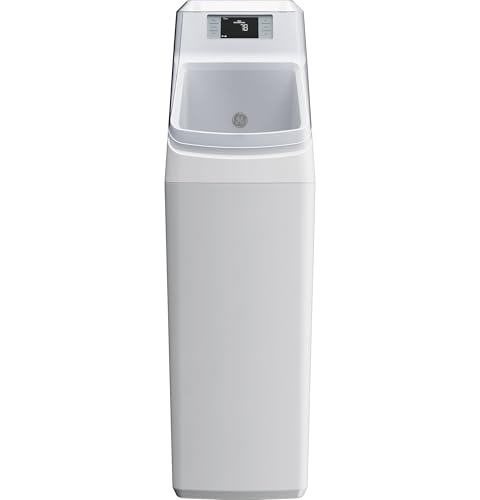
Certified for hardness · NSF/ANSI 44
Every product here is listed for its type and what its certification covers, not for what is in your water. We don’t accept paid placement. Affiliate disclosure.
Questions
They don’t soften water; they reduce scale, and results vary with how hard your water is. If you want soft water, a salt-based softener is the option that removes hardness.
Often not fully. The minerals are still in the water, so spots can still form as water dries.
Yes, a small amount, more if your water is very hard. If you limit sodium, ask your doctor, use potassium chloride instead of salt, or keep one unsoftened tap for drinking.