
Whole-House System
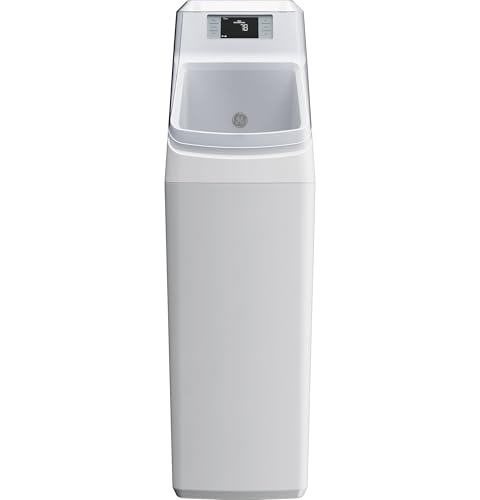
Kenmore 420 Water Softener (40,000-grain)
Certification on record for this guide’s contaminants
- Hardness: certified
Prevents most scale. It doesn’t treat lead, PFAS or germs.
A water softener swaps the calcium and magnesium that make water hard for a small amount of sodium (or potassium). That stops crusty scale on faucets, spots on dishes and buildup in your water heater. It doesn’t make water safer to drink: it’s about comfort and appliance life.
How it works, step by step
Ion exchange in a resin tank, recharged with salty water from a brine tank.
Built for hardness, not lead, PFAS, chlorine or germs. For those, use a filter certified for them at the tap you drink from.
Signs you need one
Hard water isn’t a health risk. A softener is worth it when scale and spots bother you, or to protect a water heater and appliances.
On faucets and shower heads
On glasses and dishes, even after the dishwasher
Soap and shampoo that won’t lather well
A water report or test strip showing 7 grains per gallon or more
Assumes a weekly recharge at efficient salt settings, which get roughly half to two-thirds of the rated grains; we size with half.
Limiting sodium? A softener adds a little sodium to your water, more if your water is very hard. Ask your doctor, use potassium chloride instead of salt, or keep one unsoftened tap for drinking.
Before you buy, check what is in your water. Your water system’s record shows which contaminants have been found, so you only pay for treatment you need.
Check my water →Each card shows whether the model is certified for hardness reduction. Open a product to see its certificate. Some links are affiliate links: PurityMap may earn from qualifying purchases, at no extra cost to you.
Every product here is listed for its type and what its certification covers, not for what is in your water. We don’t accept paid placement. Affiliate disclosure.
Questions
No. It’s built for hardness, not for lead, PFAS or germs. Some models are also certified for barium or radium; see the certificate. If lead or PFAS worry you, add a certified drinking-water filter.
A salt-based softener removes hardness. A salt-free conditioner only changes how the minerals behave, so it reduces scale but the water still feels hard.
Often 10–15 years with care. The resin may need replacing sooner if your water has a lot of chlorine or iron.