Short answer: In the 2021–2026 records we hold for Kansas City, no listed result is above a legal limit. Also worth knowing: lithium sits above a screening level, and the water is very hard. 3 substances were detected and 29 were tested and not detected. The water is from Kansas City Board of Public Utilities, serving 152,960 residents.
2 water systems report serving Kansas City. This report uses KANSAS CITY BOARD OF PUBLIC UTILITIES. Your water bill names your actual supplier. Source: EPA SDWIS 2026Q2.
KANSAS CITY BOARD OF PUBLIC UTILITIES (EPA PWSID KS2020906) delivers surface water to 152,960 residents. This report reflects 29 individual PFAS result(s) from the source UCMR5 observations and the latest Lead & Copper Rule 90th-percentile result. The utility's 2026 CCR reports very hard water.
Track record
0health-based violations in the last 10 years
From EPA SDWIS. A clean violation history means no enforcement action was recorded; it does not cover contaminants without a limit.
Not in this recordDisinfection by-products weren't monitored in this dataset
No result is not a pass. Your utility's annual water quality report may list them, and a certified lab test covers your own tap.
Your household
Your tap can differ from the city record
The record describes water leaving treatment and samples across the system. Pipes, solder and fixtures inside a building can add lead the record can’t see, especially in older buildings with lead service lines.
Each card names which Kansas City findings its current certification covers, and which it doesn't.
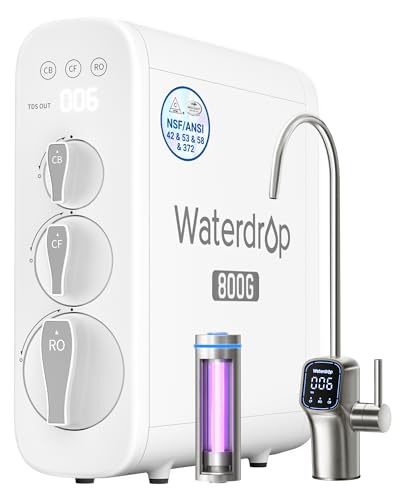
As an Amazon Associate, PurityMap earns from qualifying purchases. A product appears here only when a current certification record covers at least one identified concern; every concern stays listed. The retail offer is looked up afterwards and never changes which products appear or their order. Affiliate disclosure.
Water Pitcher
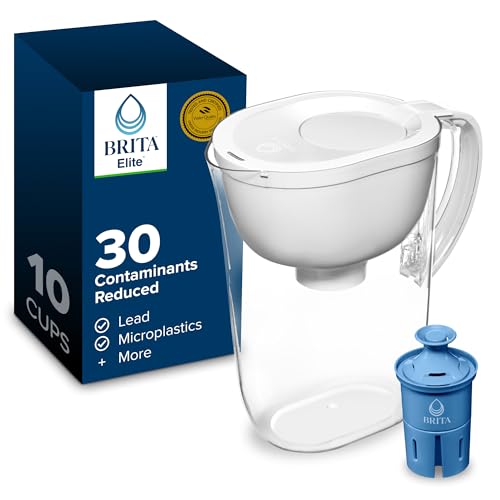
Brita Elite Water Filter Pitcher
✓Lead: eligible, evidence match
–Not established: Lithium, Hardness / scale
Not suitable for (3)
Treating every tap in the home
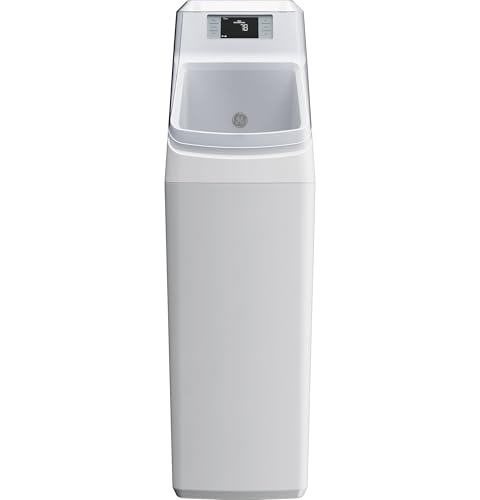
A whole-home hard-water or scale problem
All PFAS: its evidence covers only the compounds it names
Kansas City Board of Public Utilities reported 1 galvanized service lines to replace in EPA’s inventory (2026Q2). Many utilities replace these lines for free or share the cost. Ask Kansas City Board of Public Utilities whether your home’s line is on its list before you pay anyone.
Your path: I live in an older buildingLead from plumbing is the main question
Older buildings may have lead service lines, solder or fixtures. Kansas City’s record shows lead at 7.5 µg/L (15 µg/L federal action level). Test first-draw water, then filter if needed.
Your path: My water tastes of chlorineThe disinfectant is not in this record
Most utilities keep chlorine or chloramine in the pipes. A carbon filter certified for taste and odor reduces either; your utility can tell you which it uses.
PurityMap does not give a safe/unsafe verdict; it shows what the public records measured. For Kansas City, no regulated PFAS were detected in EPA's 2024 testing; the lead 90th-percentile result was 7.5 µg/L against the 15 µg/L action level. KANSAS CITY BOARD OF PUBLIC UTILITIES (PWSID KS2020906) has a Purity Score of 91/100 (confidence: moderate), assessed at the water-system level and computed only from contaminants that were measured. Water can change in your own pipes, so a certified test is the only way to know what comes out of your tap. What we found →
Who provides tap water in Kansas City?+
KANSAS CITY BOARD OF PUBLIC UTILITIES (PWS ID KS2020906) is the public water system on record for Kansas City, Kansas, serving about 152,960 people. Confirm the utility on your water bill before acting on a specific finding. Water utility →
Where does Kansas City get its drinking water?+
Surface water (primary source of record in EPA SDWIS). Water utility →
Are PFAS "forever chemicals" in Kansas City's water?+
None of the 29 PFAS in EPA's UCMR 5 testing (2024-01-02 to 2024-10-01) was detected. "Not detected" means below the lab's reporting limit, not proven zero. What we found →
Is there lead in Kansas City's tap water?+
KANSAS CITY BOARD OF PUBLIC UTILITIES's most recent lead 90th-percentile result (2021–2023) was 7.5 µg/L, below the 15 µg/L action level. That figure comes from sampled homes; lead usually enters from a building's own pipes and fixtures, so only a test at your tap tells you what you drink. Your household →
What does the latest Kansas City water report show?+
PurityMap's current record for Kansas City holds 32 findings: 2 above a reference, 1 detected within the reference and 29 not detected. Each finding links to its dated public record; a parameter that was never monitored is shown as pending, not as a pass. Records →
Is Kansas City's water hard?+
Kansas City's water is recorded as 16.4 gpg, very hard. Hardness is an aesthetic and plumbing characteristic, not a health-based limit. Choose your situation →
EPA SDWIS, EPA UCMR 5 and utility reports, each dated and linked.
02Normalize
Units converted to one basis; a non-detect kept distinct from zero.
03Classify
Each result tagged by reference type: MCL, action level, screening level or aesthetic.
04Compare to the named reference
Every value sits against its own reference, never a blended one.
05Score
Measured subjects summarised at the water-system level; an open health-based violation caps the score.
06Match treatment
Treatment is matched to what was found; a product is called certified only when its current certification names it.
What the Purity Score means: a summary of this water system’s published record, capped while a health-based violation is open. It is not a test of any tap. KANSAS CITY BOARD OF PUBLIC UTILITIES · PWSID KS2020906 · Purity Score 91/100 (Excellent) · Confidence: moderate · Assessed at the water-system level
Lead at Kansas City Board of Public Utilities: 7.5 µg/L (90th percentile, 2021–2023 monitoring period). Lead has no taste, so a taste neither shows nor rules it out.
ZIP codes in Kansas City
A ZIP code is a postal area, not a water service area. Your water bill names your supplier.