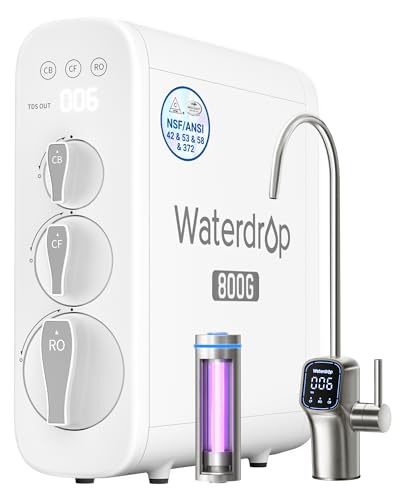
Screening: quick check, not lab-grade
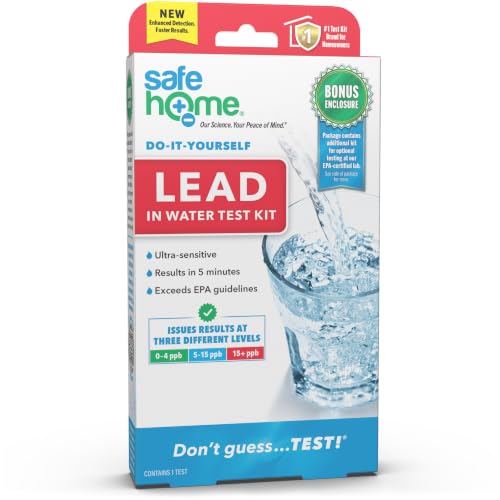
Safe Home DIY Lead in Drinking Water Combo Test Kit
Safe Home (EnviroTestKits)
Lead, read as one of three ranges: 0–4, 5–15 or 15+ ppb
Iowa City Water Department serves 68,753 people from surface water. 34 results are on record. No measured result is above a legal limit; lithium sits above a screening level.
No measured result is above a legal limit; lithium sits above a screening level.
27,992service lines inventoried
From the utility's inventory reported to EPA (2026Q2). Look up your address with the utility.
0health-based violations in the last 10 years
From EPA SDWIS. A clean violation history means no enforcement action was recorded; it does not cover contaminants without a limit.
A federal limit (an MCL or action level) is an enforceable legal cap; a health goal is often stricter. Meeting the limit is a compliance fact, not a health clearance, and PurityMap publishes no overall compliance verdict.
Plumbing inside a home can add lead that the system record can't show. A tap test tells you what reaches your glass.
lead 4 µg/L, below the 15 µg/L action level
Lithium 47 µg/L, above the 10.0 µg/L EPA health reference level
Understand water treatment technologies →
Understand:Lead in Iowa City
Screening tells you if something is worth a closer look; a lab result is the number you can act on.
As an Amazon Associate, PurityMap earns from qualifying purchases. PurityMap earns a commission from US Water Systems when you buy its lab test through our link. Affiliate disclosure.
Screening: quick check, not lab-grade
Safe Home (EnviroTestKits)
Lead, read as one of three ranges: 0–4, 5–15 or 15+ ppb
IOWA CITY WATER DEPARTMENT (PWS ID IA5225079) is a public water system serving 68,753 people in Iowa City, Iowa.
IOWA CITY WATER DEPARTMENT is on record as drawing from surface water. The source shapes which contaminants matter most for this system.
PurityMap's record for IOWA CITY WATER DEPARTMENT holds 34 findings: 1 above a reference, 4 detected within the reference and 29 not detected, from 34 evidence records. Every finding links to its source; a substance that was never monitored is shown as pending, not as a pass.
PurityMap does not issue a safety verdict. It publishes IOWA CITY WATER DEPARTMENT's measured results against each contaminant's benchmark so you can read them in context. Safety depends on the specific finding, your plumbing, and how the water reaches your tap.
The latest published record for IOWA CITY WATER DEPARTMENT is dated 2026-10-15. Utilities report on regulatory cycles, so results reflect the monitoring period rather than a live reading.
No. It is assessed at the water-system level from IOWA CITY WATER DEPARTMENT's own monitoring. It does not cover the service line to your building or the plumbing inside it, which can add lead and other metals after the water leaves the system. A tap test is the way to know what reaches your glass.
Lithium, Total trihalomethanes (TTHM), Lead (90th percentile), Haloacetic acids (HAA5) and Water hardness were detected in this record. Each finding shows its measured value, its reference and its source on this page.
Start with what the record shows: the lead findings above list each measured value against its reference. This record cannot show your home's plumbing, so a tap test tells you what reaches your glass. If you decide to treat your water, look for a filter whose certification covers the specific contaminant in your record; the section "Certified for a concern found here" lists only products with a current certification record for these concerns.
Follow Iowa City Water Department
One email when a new sampling round is published, a result moves above or below its reference, or the system's score changes.
Follow this water →As listed for this system in EPA's records. Your water bill names your supplier.
| Substance | Result | Reference | Sampled | Status | Evidence |
|---|---|---|---|---|---|
| 11-Chloroeicosafluoro-3-oxaundecane-1-sulfonic acid (11Cl-PF3OUdS) | < 5 ng/L | No federal or state limit; shown for transparency | 2023-03-09 to 2023-09-12 | Not detected | — |
| 1H, 1H, 2H, 2H-perfluorohexane sulfonic acid (4:2 FTS) | < 3 ng/L | No federal or state limit; shown for transparency | 2023-03-09 to 2023-09-12 | Not detected | — |
| 1H, 1H, 2H, 2H-perfluorooctane sulfonic acid (6:2 FTS) | < 5 ng/L | No federal or state limit; shown for transparency | 2023-03-09 to 2023-09-12 | Not detected | — |
| 1H, 1H, 2H, 2H-perfluorodecane sulfonic acid (8:2 FTS) | < 5 ng/L | No federal or state limit; shown for transparency | 2023-03-09 to 2023-09-12 | Not detected | — |
| 9-Chlorohexadecafluoro-3-oxanone-1-sulfonic acid (9Cl-PF3ONS) | < 2 ng/L | No federal or state limit; shown for transparency | 2023-03-09 to 2023-09-12 | Not detected | — |
| 4,8-Dioxa-3H-perfluorononanoic acid (ADONA) | < 3 ng/L | No federal or state limit; shown for transparency | 2023-03-09 to 2023-09-12 | Not detected | — |
| Hexafluoropropylene oxide dimer acid (HFPO-DA) (GenX chemicals) | < 5 ng/L | 10 ng/L federal MCL (2024) | 2023-03-09 to 2023-09-12 | Not detected | — |
| N-ethyl perfluorooctanesulfonamidoacetic acid (NEtFOSAA) | < 5 ng/L | No federal or state limit; shown for transparency | 2023-03-09 to 2023-12-11 | Not detected | — |
| Nonafluoro-3,6-dioxaheptanoic acid (NFDHA) | < 20 ng/L | No federal or state limit; shown for transparency | 2023-03-09 to 2023-09-12 | Not detected | — |
| N-methyl perfluorooctanesulfonamidoacetic acid (NMeFOSAA) | < 6 ng/L | No federal or state limit; shown for transparency | 2023-03-09 to 2023-12-11 | Not detected | — |
| Perfluorobutanoic acid (PFBA) | < 5 ng/L | No federal or state limit; shown for transparency | 2023-03-09 to 2023-09-12 | Not detected | — |
| Perfluorobutanesulfonic acid (PFBS) | < 3 ng/L | 2,000 ng/L EPA health advisory (screening, not a legal limit) | 2023-03-09 to 2023-09-12 | Not detected | — |
| Perfluorodecanoic acid (PFDA) | < 3 ng/L | No federal or state limit; shown for transparency | 2023-03-09 to 2023-09-12 | Not detected | — |
| Perfluorododecanoic acid (PFDoA) | < 3 ng/L | No federal or state limit; shown for transparency | 2023-03-09 to 2023-09-12 | Not detected | — |
| Perfluoro (2-ethoxyethane) sulfonic acid (PFEESA) | < 3 ng/L | No federal or state limit; shown for transparency | 2023-03-09 to 2023-09-12 | Not detected | — |
| Perfluoroheptanoic acid (PFHpA) | < 3 ng/L | No federal or state limit; shown for transparency | 2023-03-09 to 2023-09-12 | Not detected | — |
| Perfluoroheptanesulfonic acid (PFHpS) | < 3 ng/L | No federal or state limit; shown for transparency | 2023-03-09 to 2023-09-12 | Not detected | — |
| Perfluorohexanoic acid (PFHxA) | < 3 ng/L | 400,000 ng/L Michigan EGLE state MCL (strictest US state) | 2023-03-09 to 2023-09-12 | Not detected | — |
| Perfluorohexanesulfonic acid (PFHxS) | < 3 ng/L | 10 ng/L federal MCL (2024) | 2023-03-09 to 2023-09-12 | Not detected | View evidence |
| Perfluoro-4-methoxybutanoic acid (PFMBA) | < 3 ng/L | No federal or state limit; shown for transparency | 2023-03-09 to 2023-09-12 | Not detected | — |
| Perfluoro-3-methoxypropanoic acid (PFMPA) | < 4 ng/L | No federal or state limit; shown for transparency | 2023-03-09 to 2023-09-12 | Not detected | — |
| Perfluorononanoic acid (PFNA) | < 4 ng/L | 10 ng/L federal MCL (2024) | 2023-03-09 to 2023-09-12 | Not detected | — |
| Perfluorooctanoic acid (PFOA) | < 4 ng/L | 4.0 ng/L federal MCL (2024) | 2023-03-09 to 2023-09-12 | Not detected | View evidence |
| Perfluorooctanesulfonic acid (PFOS) | < 4 ng/L | 4.0 ng/L federal MCL (2024) | 2023-03-09 to 2023-09-12 | Not detected | View evidence |
| Perfluoropentanoic acid (PFPeA) | < 3 ng/L | No federal or state limit; shown for transparency | 2023-03-09 to 2023-09-12 | Not detected | — |
| Perfluoropentanesulfonic acid (PFPeS) | < 4 ng/L | No federal or state limit; shown for transparency | 2023-03-09 to 2023-09-12 | Not detected | — |
| Perfluorotetradecanoic acid (PFTA) | < 8 ng/L | No federal or state limit; shown for transparency | 2023-03-09 to 2023-12-11 | Not detected | — |
| Perfluorotridecanoic acid (PFTrDA) | < 7 ng/L | No federal or state limit; shown for transparency | 2023-03-09 to 2023-12-11 | Not detected | — |
| Perfluoroundecanoic acid (PFUnA) | < 2 ng/L | No federal or state limit; shown for transparency | 2023-03-09 to 2023-09-12 | Not detected | — |
| Lithium | 47 µg/L | 10 µg/L EPA health reference level (screening, not a legal limit) | 2023-03-09 to 2023-12-11 | Above guideline | View evidence |
| Lead (90th percentile) | 4 µg/L | 15 µg/L federal action level | 2021–2023 monitoring period | Below limit | View evidence |
| Water hardness | 6.5 gpg | Aesthetic, no federal health limit | 2025 | Below limit | View evidence |
| Total trihalomethanes (TTHM) | 47 ppb | 80 ppb federal MCL | 2025 | Below limit | View evidence |
| Haloacetic acids (HAA5) | 10 ppb | 60 ppb federal MCL | 2025 | Below limit | View evidence |
UCMR5 Analytical Results
UCMR5 Analytical Results: IOWA CITY WATER DEPARTMENT (IA5225079)
US EPA
State SDWIS Compliance Record
Lead & Copper Rule 90th-percentile: IOWA CITY WATER DEPARTMENT (IA5225079)
US EPA SDWIS
Consumer Confidence Report (CCR)
Iowa City Water Division 2025 Consumer Confidence Report (CCR)
Iowa City Water Division
What it can't tell you: It shows a lead range, not an exact level, and tests nothing else unless you pay extra for the optional lab test.
Mail-in lab test
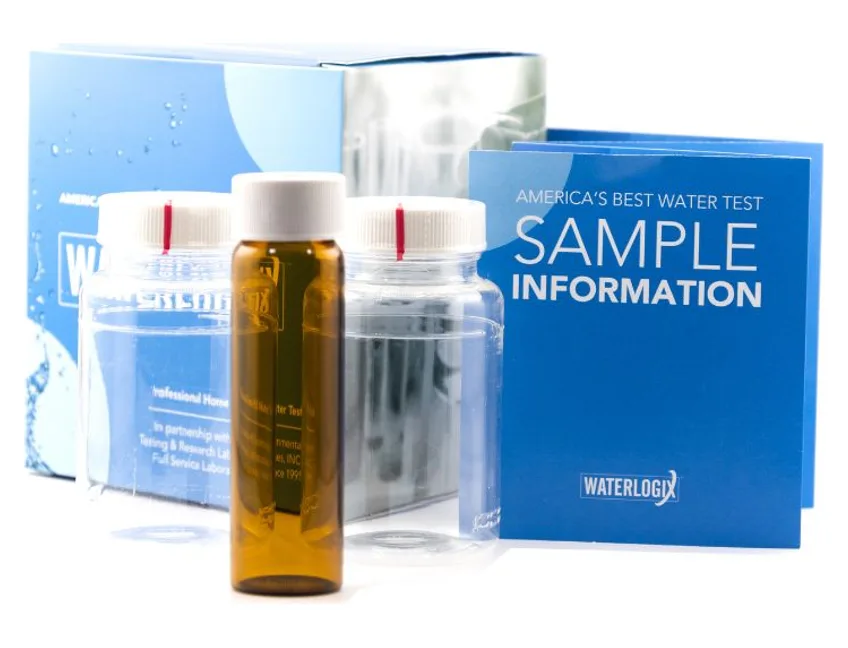
US Water Systems (Waterlogix)
Manufacturer states: 113 city water contaminants at a lab, including lead, arsenic, nitrate, coliform bacteria, hardness, disinfection byproducts and volatile organic compounds
What it can't tell you: US Water Systems’ product page names no lab. Its kit box says “in partnership with Environmental Testing & Research Laboratories, Inc.”, and we have not seen any certificate for that lab or this test. US Water Systems says most customers get results and a treatment plan within about two weeks of ordering (one reviewer says about 2 weeks), and that plan comes from a company that sells treatment systems. It does not list PFAS. One sample shows one tap on one day.
When your results arrive, read them here → · Compare every kit we list
Each card names which of this system’s findings its current certification covers, and which it doesn’t.
As an Amazon Associate, PurityMap earns from qualifying purchases. A product appears here only when a current certification record covers at least one identified concern; every concern stays listed. The retail offer is looked up afterwards and never changes which products appear or their order. Affiliate disclosure.
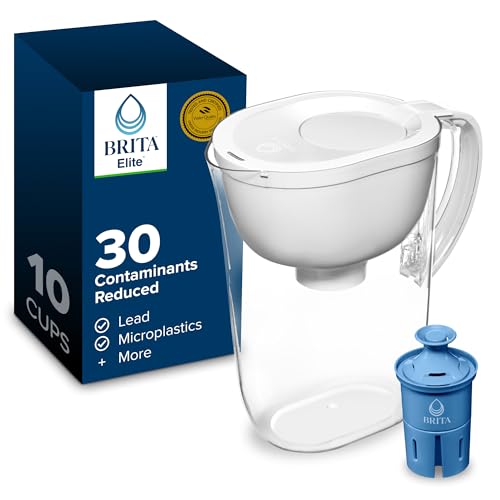


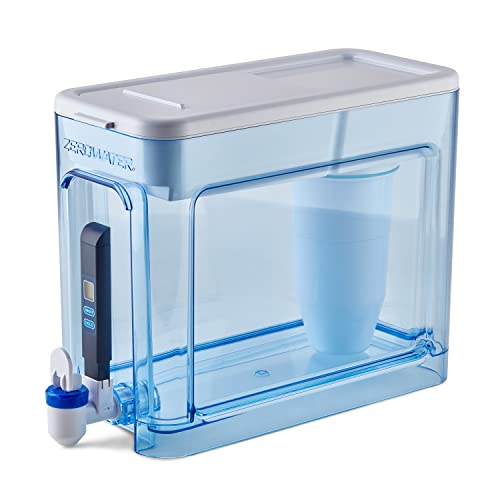

Lead service lines
IOWA CITY WATER DEPARTMENT reported 2,758 lead and 29 galvanized service lines to replace in EPA’s inventory (2026Q2). Many utilities replace these lines for free or share the cost. Ask IOWA CITY WATER DEPARTMENT whether your home’s line is on its list before you pay anyone.